Event-driven & Workflow-supported Microservice Landscape
Enterprise Software Development
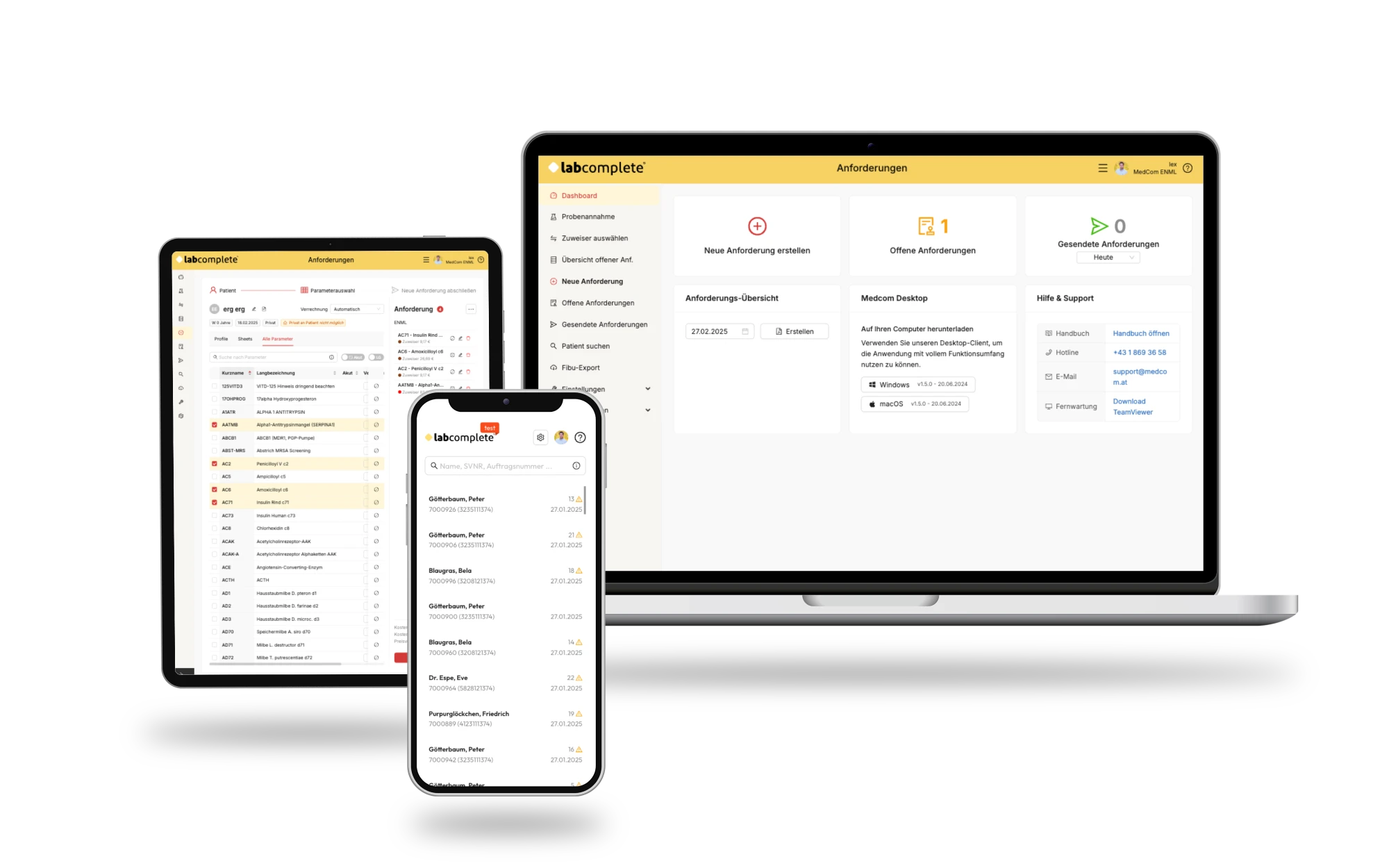
Wiener Wohnen, Europe's largest property management company, is digitizing its processes. We developed customized applications specifically tailored to their needs using modern technologies, including the Spring Framework and Kotlin.

Customer
Wiener Wohnen Kundenservice GmbH

Technologies & Tools
Kubernetes
ArgoCD
Jenkins
Keycloak
Microservices
Kotlin
Spring Boot
Apache Kafka
React.js
Situation & Challenges
Wiener Wohnen Kundenservice (WrWKS) operates a large, complex IT landscape to support the diverse service processes for the city of Vienna. Prior to the project, applications and data flows were highly coupled, leading to high dependencies, limited scalability, and complex maintenance. At the same time, the demand for flexible, high-performance systems, capable of distributing data in real-time, grew.
Core Problem:
The existing architecture no longer met the requirements for modularity, performance, and asynchronicity
Processes were difficult to coordinate in real-time or scale efficiently
High maintenance efforts due to monolithic or tightly coupled components
Solution – Architecture & Implementation
To address these challenges, an event-driven, decentralized microservices architecture was implemented, utilizing modern technologies for decoupling and scaling:
Event-Driven Microservices
Core processes as individual, loosely coupled services
Data and states are asynchronously distributed via event streaming
Apache Kafka for Real-Time Communication
Central event pipeline ensures reliable data transport between services
High throughput rates and scalability for live workflows
Workflow Engine with Camunda BPMN
Modeling and controlling complex business processes
Transparent process execution across different services
React Frontends & Modern JVM Services
User-friendly web interfaces connected with robust backend services
Microservices with Kotlin and Spring framework
Cloud-Native Deployment with Kubernetes
Container orchestration for automatic scaling, DevOps integration, and stable operation
This approach allowed the solution to be built flexibly, scalably, and robustly – with a clear separation of responsibilities between system components.
Benefits & Added Value
The result of the collaboration brings both technical and operational added value for WrWKS:
Modular and Maintainable System Structure
Through the microservices architecture, multiple teams can independently take responsibility for, further develop, and operate individual services. Clear service boundaries enable genuine ownership per team, reduce dependencies, and accelerate development and release cycles while simultaneously lowering risk.
Real-Time Communication and High Scalability
Apache Kafka provides robust, distributed event pipelines – services communicate efficiently in near real-time and scale with growing demands.
Process Automation & Transparency
With Camunda BPMN, business processes are clearly modeled, orchestrated, and traceable.
Future-Proof Architecture
Kubernetes deployment, modern programming languages, and decoupled architecture ensure long-term maintainability and adaptability to future requirements.
Conclusion
The use of an event-driven microservices architecture has created a powerful, flexible system that technically strengthens WrWKS for the future – more efficient, modular, and scalable. This project demonstrates how modern software architectures help to reliably map complex business processes and create added value for operations and users.