Legacy modernization: Why you should future-proof your industry software
Cloud & DevOps
What is Legacy Modernization?
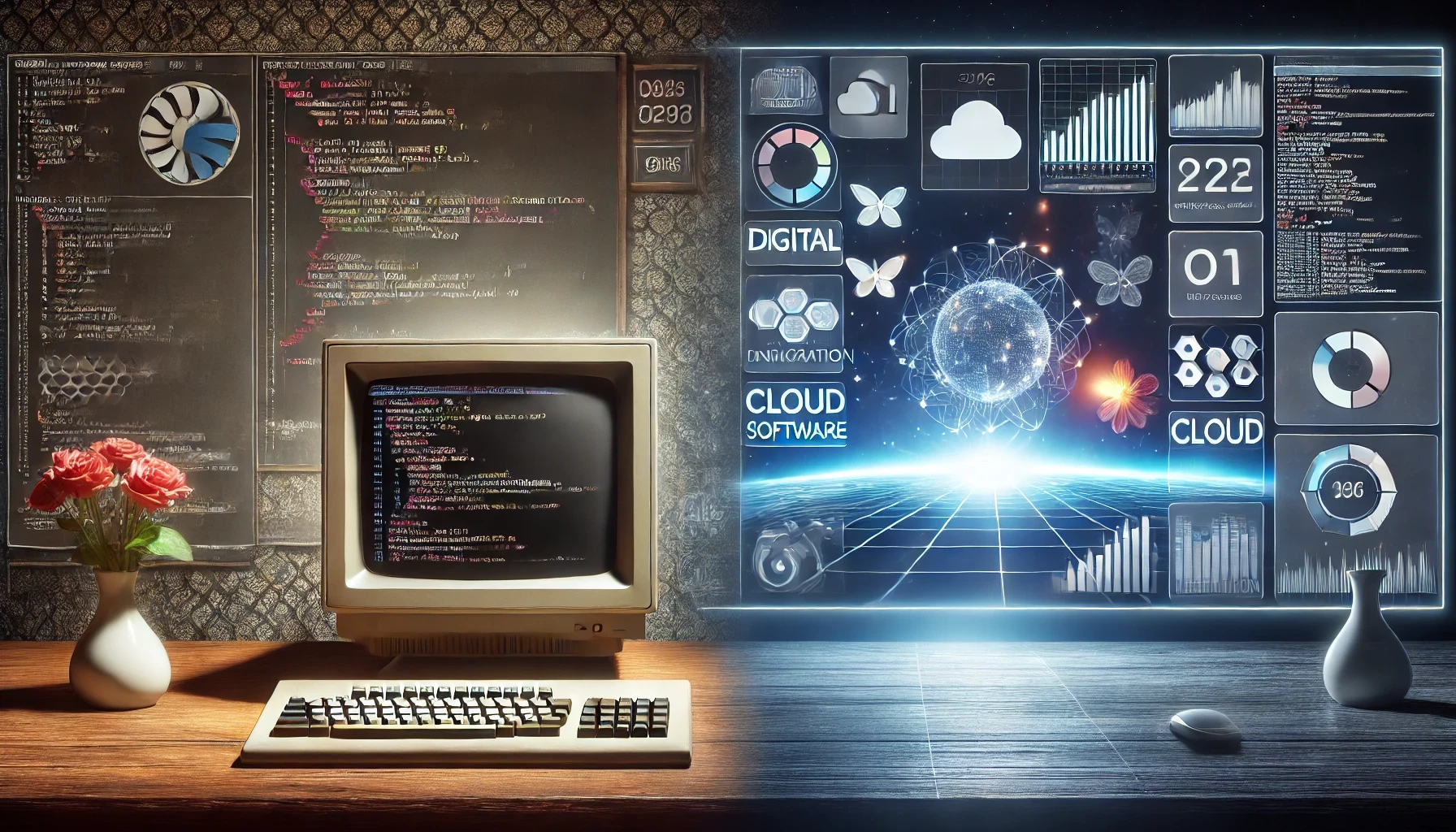
Legacy modernization refers to the renewal and transformation of existing IT systems, particularly older industry software, to bring them up to date with the latest technological standards. This modernization can take various forms – from gradual migration to cloud solutions to code refactoring to complete redevelopment.
Many companies have relied on mature software solutions for decades, which often rely on outdated technologies. These so-called legacy systems still fulfill their core functions but increasingly face challenges such as lack of scalability, security risks, and integration issues with modern applications.
Why is Legacy Modernization Necessary?
The need for modernization arises from several factors:
Technological Obsolescence: Older systems are often hard to maintain as they rely on programming languages or frameworks that are no longer actively developed.
Security Risks: Outdated software is more vulnerable to cyberattacks, as security gaps can no longer be closed with updates.
High Operating Costs: Maintaining and operating old systems often incurs higher costs than modernization.
Lack of Flexibility: Legacy systems are often difficult to adapt to new business requirements, hampering innovation.
Shortage of Skilled Workers: Developers knowledgeable about old technologies are becoming increasingly rare, making maintenance challenging.
What Benefits Does Modernization Offer?
A targeted modernization of your industry software brings numerous benefits:
1. Improved Performance and Scalability
Modern software architectures like microservices or cloud platforms allow for better scalability and performance. This enables more efficient handling of peak loads and faster implementation of new features.
2. Lower Costs and Better Maintainability
By reducing legacy burdens and utilizing standardized technologies, long-term maintenance and operating costs decrease. Additionally, modernized systems are better documented and easier for new developers to understand.
3. Increased Security and Compliance
Current technologies and regular updates minimize security risks. At the same time, companies can better meet regulatory requirements.
4. Future-Proofing Through Modern Technologies
Modernization makes your system fit for future innovations, such as the use of artificial intelligence (AI) or automation.
5. Easier Integration
Modernized systems can be more easily integrated into existing IT landscapes and enable connections to new digital services such as API platforms or cloud services.
6. Enhanced User Experience
Outdated software products often have cumbersome interfaces and slow response times, while modern applications offer intuitive designs and faster loading times. This increases productivity, delights users, and reduces training efforts for employees.
How Can Modernization Take Place?
There are various strategies for modernizing legacy systems that should be individually tailored to the company's situation:
Rehosting (Lift & Shift) – Migration of the existing software to a modern infrastructure, usually in the cloud, without altering the software.
Replatforming – Like rehosting, but with changes to the architecture of software components.
Refactoring – Restructuring the code to make the software more maintainable and performant.
Reengineering – Redevelopment of certain software components to make them more efficient and modern.
Replacement – Complete replacement with a redevelopment when the legacy software is no longer viable.
Conclusion: Modernize or Wait?
Many companies hesitate to modernize their industry software for fear of high costs or operational downtime. However, the avoidance of timely modernization can ultimately be more expensive and risky in the long run. Those who act early not only secure competitive advantages but also benefit from more efficient, secure, and future-proof software.
Are you planning a modernization of your software? Then, you should conduct a thorough analysis, choose the right strategy, and rely on modern technologies. Contact us without obligation, we would be happy to assist you with the modernization of your industry software!